Facts
Following information from an NGO that women were being detained for prostitution, police raided rooms in Krishna Building, Mumbai, on 17 February 2011.
Source reference: paras. 1–6; pp. 1–4The applicant was arrested at the premises; a decoy customer was found with a woman, and cash allegedly paid by him was recovered from the applicant.
Source reference: paras. 1–6; pp. 1–4The Magistrate convicted her under Sections 3, 4, 5 and 6 of the Immoral Traffic (Prevention) Act, 1956 (ITPA), and the Sessions Court dismissed her appeal.
Source reference: paras. 1–6; pp. 1–4She challenged the concurrent findings in revision, disputing witness credibility, proof of detention and the investigating officer’s authority under the ITPA.
Source reference: paras. 1–6; pp. 1–4Issues
Whether the prosecution evidence and concurrent findings established the applicant’s guilt under Sections 3, 4, 5 and 6 of the ITPA, including the alleged detention of the victim.
Source reference: paras. 7–8, 13–14, 18–20; pp. 4–5, 7–8, 10–11Whether the raid and investigation were invalid because the investigating officer was not properly authorised under Sections 13 and 14 of the ITPA.
Source reference: paras. 7.5, 15–16; pp. 4–5, 9–10Whether the victim’s alleged Bangladeshi nationality or the absence of independent witnesses undermined the prosecution case.
Source reference: paras. 7.1, 7.4, 10–14; pp. 4, 6–8Whether the concurrent findings disclosed perversity or a miscarriage of justice warranting interference in revision.
Source reference: paras. 23–24; pp. 12–13Law Applied
Sections 3, 4, 5 and 6 of the ITPA criminalise the specified activities relating to brothel-keeping, living on the earnings of prostitution, procuring or inducing a person for prostitution, and detaining a person for prostitution; the Court treated consent as immaterial to the Section 6 issue in this case.
Source reference: paras. 2, 8, 20; pp. 2, 5, 11Sections 13 and 14 govern the appointment of Special Police Officers and the circumstances in which an authorised police officer may act under the Act; the Court read Section 14’s proviso (iii) as permitting a specially authorised officer not below the rank of Sub-Inspector to arrest in specified circumstances.
Source reference: paras. 15–16; pp. 9–10Sections 397 and 401 of the Code of Criminal Procedure, 1973 confer revisional jurisdiction, which does not ordinarily permit reappreciation of evidence where the trial and appellate courts have concurrently assessed it; the Court relied on State v. Manimaran, citing State of Kerala v. Puttumana Illath Jathavedan Namboodiri.
Source reference: para. 23; p. 12It also relied on Prajwala v. Union of India for the principle that the ITPA targets perpetrators and commercial exploitation rather than diminishing the protection owed to victims, and on Yakub Abdul Razak Memon v. State of Maharashtra in assessing the challenge to the panch witness.
Source reference: paras. 11, 14; pp. 6, 8Reasoning
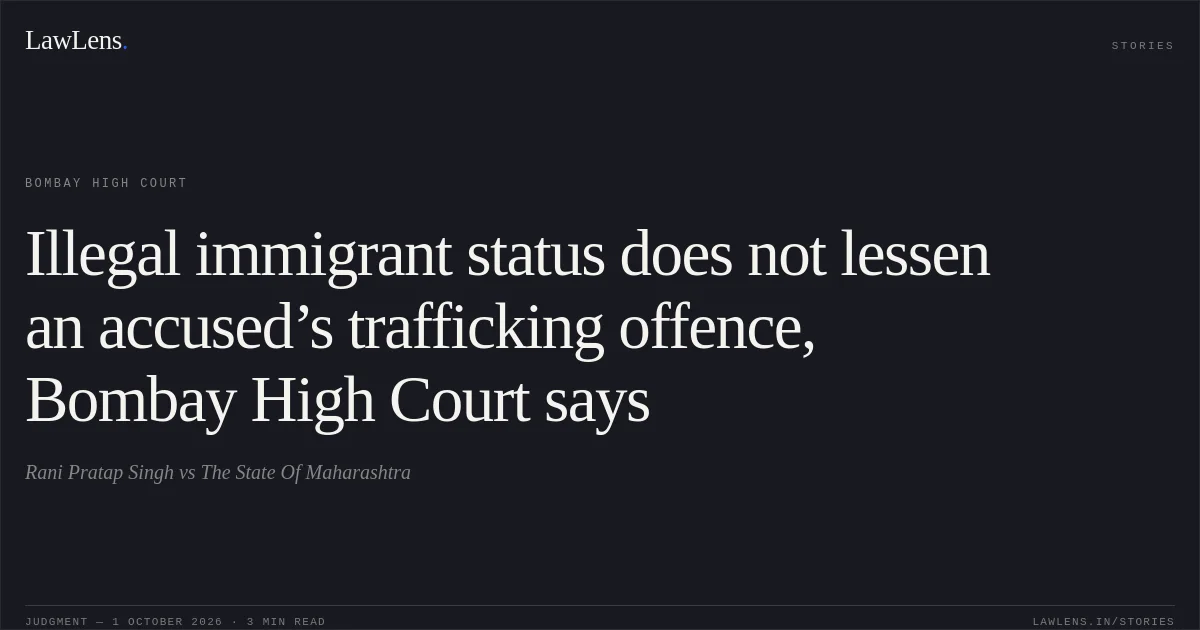
The Court rejected the victim’s alleged immigration status as irrelevant to whether the applicant committed the charged offences, reasoning that it could not diminish the victim’s dignity or provide a basis to excuse the alleged perpetrator.
Source reference: paras. 10–12; pp. 6–7It found no rule requiring independent local witnesses in the circumstances of a brothel raid and declined to reject the NGO witnesses or the panch witness on the grounds advanced.
Source reference: paras. 13–14, 22; pp. 7–8, 12The authorisation at Exhibit 28 showed that the Special Police Officer had specifically authorised the investigating officer under Section 14’s proviso (iii), defeating the challenge to the officer’s authority.
Source reference: paras. 15–16; pp. 9–10The telephone and electricity bills related to the acquitted co-accused and did not undermine the identification of the applicant at the raided premises. In light of the corroborating prosecution evidence and the concurrent findings, the Court found no basis for revisional interference.
Source reference: paras. 17–18, 20, 23–24; pp. 10–13Holding
The High Court held that the applicant had shown no ground to disturb the concurrent conviction and sentence and dismissed the revision application, discharging the Rule.
The applicant’s bail bond and any surety bond were cancelled, and four weeks were granted to surrender.
Source reference: paras. 24–25; p. 13Acts & Sections Cited
9 provisions across 3 statutes referred to in this judgment. Each provision opens on LawLens.
Code of Criminal Procedure, 19732
Immoral Traffic (Prevention) Act, 19566
Indian Penal Code, 18601
Original Court PDF
Rani Pratap SinghvsThe State Of Maharashtra
Click to open original judgment
Original judgment, available to read, download and summarize on LawLens.in